Government of Jamaica

News
Digital Services Must Not Come at the Cost of Human Dignity, Says ILO Expert

Digital Services Must Not Come at the Cost of Human Dignity, Says ILO Expert
Dateline: November 27, 2026
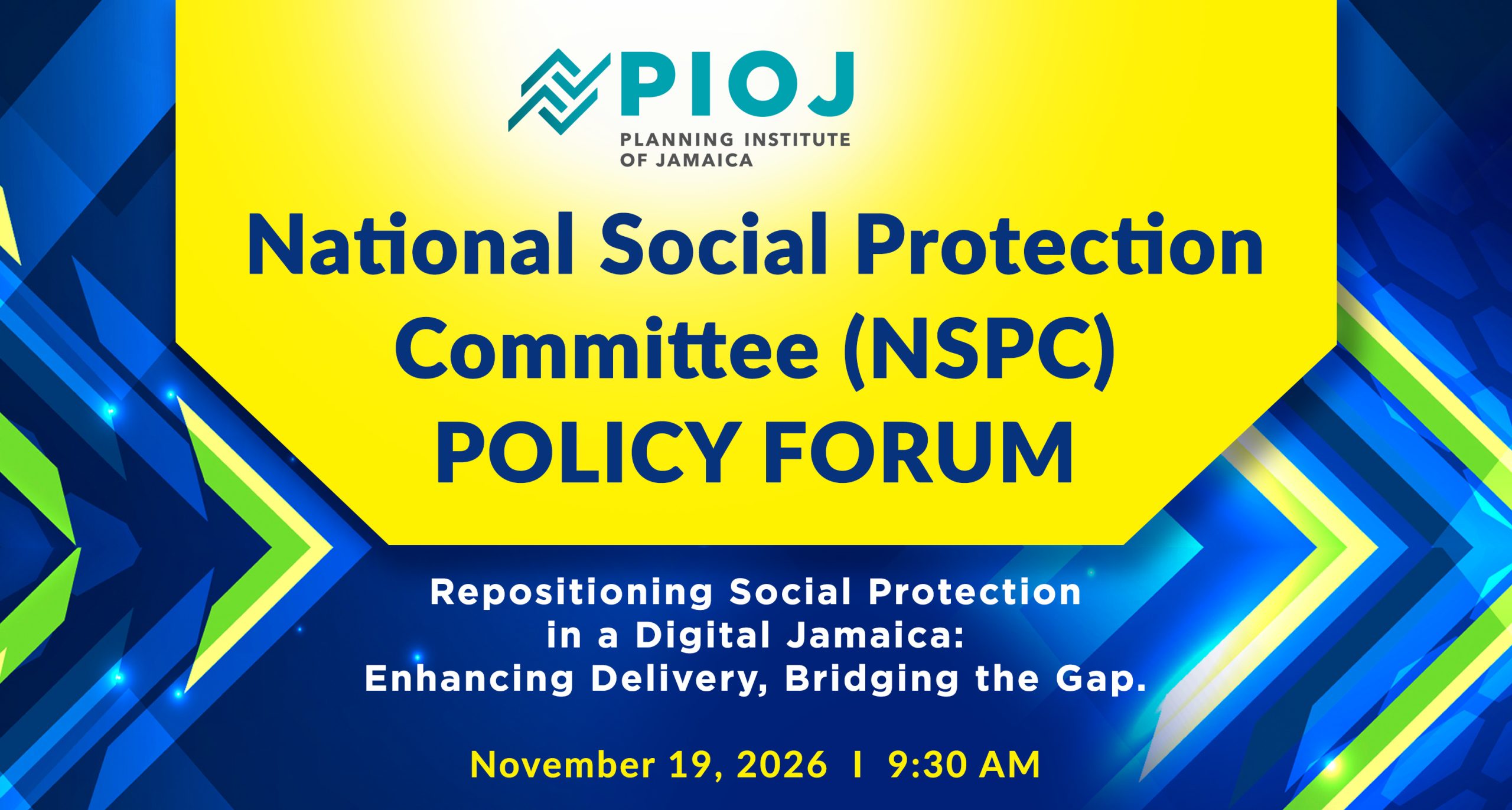
The success of digital transformation in social protection will be measured not by technological sophistication but by its ability to preserve human dignity, protect rights and improve access for the most vulnerable, Ariel Pino of the International Labour Organization told participants at the annual National Social Protection Committee Policy Forum on November 19 in Kingston organised by the Planning Institute of Jamaica under the theme “The Human Touch in a Digital World: Rights, Redress and Lessons from Global Case Studies”.
Mr Pino, Social Protection and Occupational Safety and Health Specialist with the International Labour Organization Decent Work Team and Office for the Caribbean, stressed that technology should support social protection systems, but accountable human decision-makers must remain firmly in control.
“Poorly designed digital processes can cause harm to citizens, particularly vulnerable groups who rely on social protection benefits and services. When systems fail, beneficiaries must be able to reach a responsible person who can explain decisions, review cases and resolve problems. People must remain in command of decision-making.”
Giving examples from the Netherlands, India, Singapore and Jamaica, Mr Pino highlighted what should be within each digital social protection system.
“Systems should clearly identify who makes decisions, who is accountable when something goes wrong and how people can challenge decisions that affect them. Importantly, decision-making authority should remain with the legislated public authority rather than being ceded to third-party vendors or automated systems.”
He also noted that the social protection systems are not technology projects, but should be driven by being of service to the requests and needs of people. A highlight of his presentation of practices for delivering social protection through digital systems is that it must not diminish existing rights, must have strong data privacy and protection, should deliver services with equality and non-discrimination, and should be able to provide transparent explanations for decisions, to include appeal and redress mechanisms.
Drawing on international experiences, he warned that digital systems can unintentionally create new barriers and risks, including exclusion from services, situations where people are worse off despite being enrolled in programmes, the absence of human assistance, increased monitoring and conditionalities, excessive reliance on risk-scoring systems, loss of dignity through automated controls, and a lack of accountability.
On the growing role of artificial intelligence in government systems, Mr Pino cautioned that these systems are difficult to explain and audit, making accountability and appeals more challenging.
“AI-generated assessments should remain advisory tools and accountable public officials must retain responsibility for final decisions affecting citizens,” he said.
Mr Pino also recommended ways for Jamaica to keep human judgement central to decision-making, as its digital reforms progress. He said, “There should be human review of any refusal, suspension, reduction or termination of benefits. Staff should be able to override automated decisions. Digital systems must also include in-person assistance and non-digital service options that interact seamlessly without automatically suspending benefits.”
Mr Pino also urged government to own and control of data and its core systems, through establishing “clear legal limits and transparency around data sharing and assigning clear accountability through contracts, budgets and job descriptions.”
Mr Pino concluded that while digital transformation offers significant opportunities to improve social protection delivery, its success ultimately depends on maintaining public trust, protecting rights and ensuring that accountable human decision-makers remain at the centre of systems.
The National Social Protection Committee is chaired by the Planning Institute of Jamaica with membership from governmental and non-governmental partners to deliver effective social protection for households and citizens.
END